 Young Composer Program
Parents
What Age Should a Child Start Music Lessons? An Instrument-by-Instrument Guide
Parents often ask us the same question: is my child old enough? The honest answer is that it depends on the child and on the instrument. Some instruments suit small hands and short attention spans; others need a little more size, strength or breath. This guide gives the typical starting ages we see work well, and the signs that matter more than any number.
From age 3: music through play
Very young children do not need an instrument to start learning music. Between about three and five, the best lessons use songs, rhythm games, clapping and movement. Children learn to keep a beat, listen closely and sing in tune, which makes every instrument easier later. Our kids music classes start at age 3 for exactly this reason.
Instrument by instrument
Piano and keyboard: from about 5 to 7
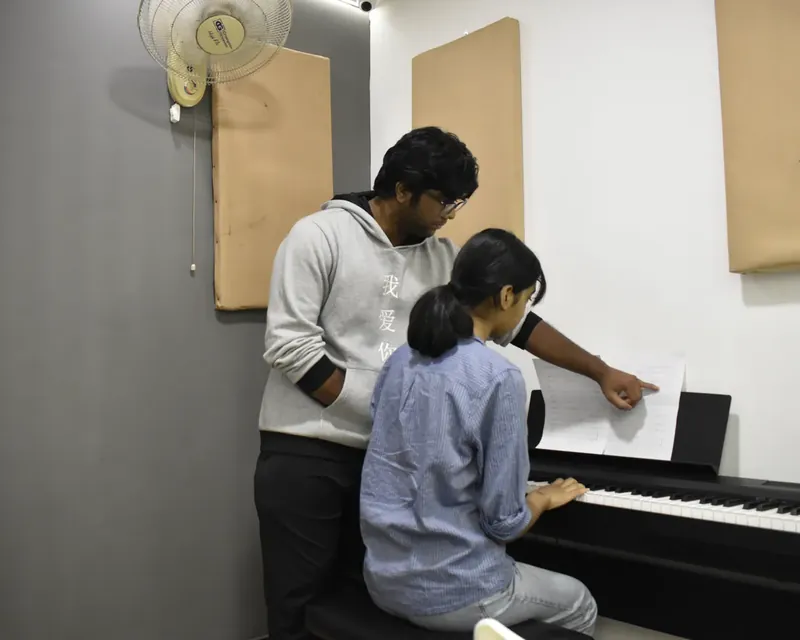
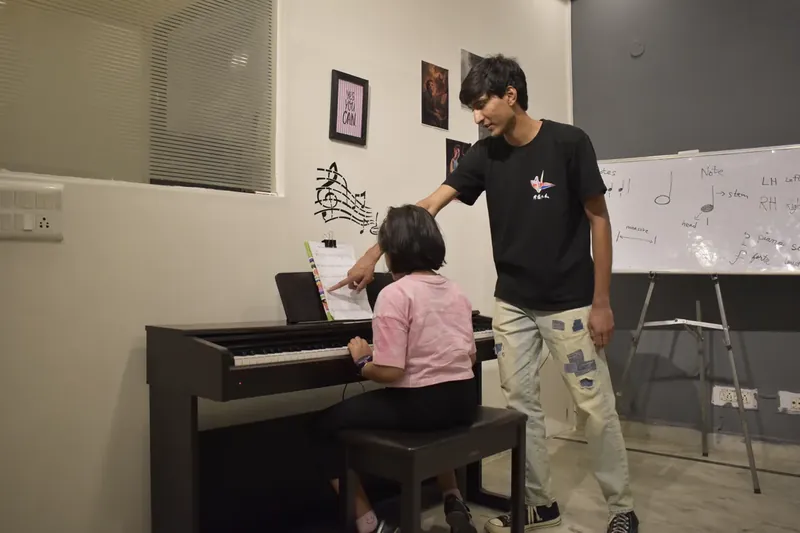
The piano is one of the best first instruments. Every note is laid out in front of the child, a clear sound comes at the first touch, and it builds reading skills that transfer to any instrument. Children can begin once they can sit for a short lesson and follow simple instructions. See piano classes.
Violin: from about 5 to 7
Violins come in small fractional sizes, so young children can start early. The first months take patience, because a clear tone takes time, but children who start young often develop an excellent ear. See violin classes.
Ukulele: from about 5 to 7
Small, light and gentle on the fingers, the ukulele lets young children strum real songs within weeks. It is a lovely stepping stone to guitar. See ukulele classes.
Guitar: from about 7 to 9
Guitar needs a little more hand size and finger strength, because pressing strings can be uncomfortable at first. Smaller half-size and three-quarter-size guitars, and softer nylon strings, help younger beginners. See guitar classes.
Drums: from about 6 to 8
Children need to reach the pedals and hold sticks comfortably, but a practice pad lets them start rhythm work early. Drumming builds coordination and timing, and most children love it. See drum classes.
Singing: any age for fun, from about 8 for technique
Every child can sing, and group singing is wonderful at any age. Structured vocal technique, such as breath support and range work, usually starts around eight or nine, taught gently because young voices are still developing. See singing classes, or for Indian classical singing, Hindustani classical vocal classes.
Flute: from about 8 to 10
The flute needs arm reach and steady breath control, so most children start around eight to ten. Children keen to start earlier can begin with recorder or keyboard to learn reading and rhythm. See flute classes.
Saxophone: from about 9 to 11
The saxophone is heavier and needs more breath, so it suits slightly older children. Many saxophonists start on piano or recorder and move across. See saxophone classes.
Signs your child is ready
- They ask to play, sing along to music, or tap out rhythms on every surface.
- They can focus on one activity for fifteen to twenty minutes.
- They can follow simple two-step instructions.
- They are happy to try, make mistakes, and try again.
Readiness matters more than age. A keen six-year-old will often progress faster than a reluctant nine-year-old.
What if my child started "late"?
There is no such thing. Teenagers learn quickly because they understand what they are practising and why, and adults bring focus and motivation. At Prism our students range from age 3 to 73 and beyond. The best time to start is when the interest is there.
Making the first year a success
Keep practice short and regular, ten to fifteen minutes most days for young beginners. Celebrate small wins, like a first full song. Let your child hear live music, and give them chances to perform. Free tools such as our online metronome and ear training exercises make practice feel like play.
Frequently asked questions
What is the best first instrument for a child?
Piano or keyboard is a strong first instrument because every note is visible and it teaches reading clearly. Ukulele is another excellent start for young children who want to play songs quickly.
Is 3 too young for music classes?
Not for music through play. From about three, children benefit from rhythm, singing and movement classes that prepare them for an instrument later.
Is it too late to start an instrument at 12 or as an adult?
No. Older beginners often learn faster because they practise with purpose. Many of our students start as teenagers or adults.
How long should a young child practise each day?
About ten to fifteen minutes on most days is plenty for young beginners. Regular short practice works far better than one long session a week.